Software development is changing rapidly, and artificial intelligence is transforming how developers build websites, applications, and software products. Tasks that once required hours of manual programming can now be completed faster with AI-powered coding assistants and automated development platforms.
The best AI tools for automated coding and software development help developers generate code, fix programming errors, create applications, write documentation, automate repetitive tasks, and improve development workflows. These tools are useful for professional programmers, beginners, freelancers, startups, and software development companies.
Whether you want to develop a website, build a mobile application, create a SaaS platform, or automate backend development, AI coding tools can make the process easier and more efficient.
Modern AI development platforms use advanced language models to understand natural language instructions and convert them into functional code. Some tools work directly inside code editors, while others can build complete application prototypes using simple text prompts.
In this guide, we will explore the best AI tools for automated coding and software development, compare their features, discuss their advantages and limitations, and explain how to choose the right platform for your development requirements.
What Are AI Tools for Automated Coding and Software Development?
AI tools for automated coding and software development are applications that use artificial intelligence to assist with different programming activities. They can understand written instructions, generate programming code, explain technical concepts, identify errors, and automate repetitive development tasks.
Traditional software development requires programmers to write code manually, test applications, troubleshoot problems, and maintain project files. AI coding assistants simplify many of these activities by providing intelligent suggestions and automating parts of the development process.
For example, you can describe a website or application in plain English, and an AI development platform can generate its initial structure, interface, and functionality. Similarly, an AI coding assistant can examine existing code and suggest solutions when an application produces an error.
How AI Coding Tools Work
Most AI coding platforms use large language models (LLMs) trained on programming languages, technical documentation, and other information. These models analyze user instructions and generate responses based on the available project context.
Here are some common capabilities:
- Natural Language Processing: Understands programming instructions written in everyday language.
- Code Generation: Converts written prompts into programming code.
- Code Completion: Suggests functions, statements, and additional lines while developers work.
- Error Detection: Identifies potential bugs and programming mistakes.
- Code Optimization: Recommends improvements for performance and readability.
- Automated Testing: Helps create test cases and identify software defects.
- Project Assistance: Analyzes multiple files and supports larger development tasks.
These capabilities make AI-powered coding tools useful for simple programming activities as well as more advanced software development projects.
Best AI Tools for Automated Coding and Software Development
There are many AI coding platforms available, but each tool offers different capabilities. Some focus on code completion, while others provide AI agents that can work across multiple project files or generate complete applications.
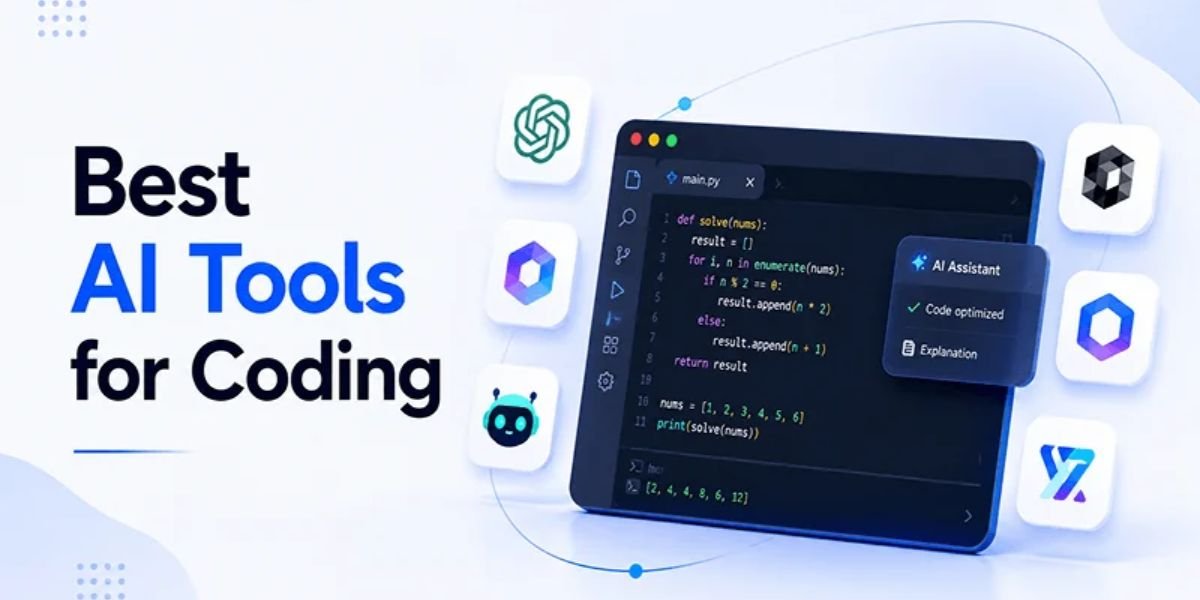
Below are ten of the best AI tools for automated coding and software development worth considering.
1. Cursor: Best AI Tool for Advanced Coding
Cursor is an AI-powered code editor designed to make programming faster and more efficient. It provides an AI-first development experience that helps developers understand, modify, and improve existing codebases.
Unlike basic code completion tools, Cursor can work with multiple files and understand the context of a project. Developers can describe a feature in natural language, and its AI capabilities can help implement the required changes.
Cursor is particularly useful for developers working on complex websites, applications, and software products.
Key Features:
- AI-powered code generation and completion.
- Multi-file editing and project understanding.
- Intelligent debugging assistance.
- Support for different AI models.
- Agent-based development workflows.
- Natural language programming instructions.
Best For: Professional developers, software engineers, startups, and development teams.
Pros:
- Excellent codebase awareness.
- Helps automate repetitive programming.
- Supports complex development tasks.
- Improves coding productivity.
Cons:
- Beginners may need time to understand its features.
- Advanced usage may require a paid subscription.
Our Verdict: Cursor is an excellent choice for developers who want an AI-powered coding environment with advanced editing and automation capabilities.
Website: https://cursor.com/
2. GitHub Copilot: Best for AI Pair Programming
GitHub Copilot is an AI coding assistant developed by GitHub and Microsoft. It helps developers write code faster by suggesting functions, completing programming statements, explaining code, and assisting with debugging.
GitHub Copilot integrates with popular development environments, including Visual Studio Code, Visual Studio, and JetBrains IDEs. This makes it convenient for developers who want AI assistance without changing their existing coding environment.
One of its biggest advantages is its ability to understand surrounding code and provide relevant suggestions while developers work.
Key Features:
- Intelligent code completion.
- AI-powered programming assistance.
- Code explanations and documentation.
- Support for multiple programming languages.
- AI chat and agent capabilities.
- Integration with popular development environments.
Best For: Beginners, professional developers, programming students, and development teams.
Pros:
- Easy integration with existing editors.
- Saves time on repetitive coding.
- Supports different programming languages.
- Helpful for learning programming concepts.
Cons:
- Suggestions sometimes require manual corrections.
- Advanced features depend on subscription limits.
Our Verdict: GitHub Copilot is a practical choice for developers who want a reliable AI pair programmer directly inside their preferred code editor.
Website: https://github.com/features/copilot
3. Claude Code: Best for Complex Software Development
Claude Code is an AI-powered coding agent developed by Anthropic. It is designed to help developers work with codebases, perform multi-step programming tasks, troubleshoot errors, and automate development activities.
Unlike traditional coding assistants that mainly suggest individual lines of code, Claude Code can work through larger development tasks. It can inspect project files, edit code, execute commands, and assist with Git workflows.
Developers can describe what they want to achieve, and Claude Code can help plan and implement the required changes.
This makes it particularly useful for backend development, application maintenance, and projects involving multiple files.
Key Features:
- AI-powered codebase analysis.
- Multi-file code editing.
- Automated debugging assistance.
- Terminal-based development workflow.
- Git and command-line integration.
- Support for complex programming tasks.
Best For: Experienced developers, backend engineers, software architects, and teams managing large projects.
Pros:
- Useful for complex coding tasks.
- Helps understand existing projects.
- Automates multi-step development work.
- Supports terminal-based workflows.
Cons:
- Terminal knowledge is helpful.
- Developers should review generated changes.
- Usage costs depend on the selected plan.
Our Verdict: Claude Code is a strong option for developers who need an AI agent capable of working beyond basic code suggestions.
Website: https://claude.com/product/claude-code
4. OpenAI Codex: Best for Automated Coding Tasks
OpenAI Codex is an AI-powered software engineering agent designed to help developers build, modify, test, and understand software projects.
It can work on programming tasks using project context and supported development tools. Codex is particularly useful for developers who want to delegate clearly defined coding tasks rather than manually complete every development step.
For example, you can ask Codex to investigate a bug, implement a feature, improve existing code, or create tests. It can work through tasks in supported environments and provide changes for developers to review.
Codex can help software teams improve productivity by reducing the time spent on repetitive programming activities.
Key Features:
- Automated software engineering tasks.
- Code generation and modification.
- Bug investigation and fixing.
- Code review assistance.
- Test creation and execution.
- Integration with developer workflows.
Best For: Software developers, engineering teams, programmers, and businesses automating development processes.
Pros:
- Useful for multi-step programming tasks.
- Helps automate repetitive development work.
- Supports code review and testing workflows.
- Suitable for different software projects.
Cons:
- Requires clear task instructions.
- Generated changes need testing and review.
- Complex projects may require additional developer supervision.
Our Verdict: OpenAI Codex is a valuable choice for developers who want to delegate coding tasks to an AI agent and improve their overall software development workflow.
Website: https://developers.openai.com/codex/
5. Windsurf: Best for AI-Assisted Development
Windsurf is an AI-powered development environment designed to make programming more efficient through intelligent assistance and agent-based workflows.
Its Cascade experience helps developers understand project context, generate code, modify files, and complete programming tasks. Instead of manually searching through multiple files, developers can describe the changes they need and let the AI assist with implementation.
Windsurf combines traditional coding capabilities with AI-powered development features, making it useful for both individual programmers and software development teams.
Key Features:
- AI-assisted code generation.
- Project-wide code understanding.
- Multi-file editing.
- Intelligent programming suggestions.
- Automated development assistance.
- Natural language interaction.
Best For: Developers, freelancers, startup founders, and programmers looking for an AI-powered IDE.
Pros:
- Convenient AI development workflow.
- Helps with larger coding tasks.
- Reduces repetitive manual work.
- Supports project-level assistance.
Cons:
- AI suggestions need verification.
- Some advanced capabilities may require paid access.
- Developers still need programming knowledge.
Our Verdict: Windsurf is worth considering if you want an AI-first coding environment that combines traditional development tools with intelligent automation.
Website: https://windsurf.com/
6. Replit: Best for Beginners and App Development
Replit is an online development platform that allows users to write, run, test, and deploy applications directly from a browser.
Its AI-powered Agent makes software development more accessible, especially for people who have limited programming experience.
With Replit, users can describe an application idea in simple language. The AI agent can then help create the application, generate code, configure project components, and assist with deployment.
This browser-based approach removes much of the complexity associated with setting up a local development environment.
Replit is useful for students, entrepreneurs, freelancers, and developers who want to create application prototypes quickly.
Key Features:
- AI-powered application development.
- Browser-based coding environment.
- Code generation and editing.
- Application testing and debugging.
- Integrated deployment options.
- Support for multiple programming languages.
Best For: Beginners, students, entrepreneurs, freelancers, and rapid application prototyping.
Pros:
- No complicated local setup.
- Beginner-friendly environment.
- Useful for building prototypes quickly.
- Supports development and deployment workflows.
Cons:
- Advanced projects may require more technical control.
- Usage and deployment can depend on plan limits.
- Complex applications may require manual development.
Our Verdict: Replit is a great starting point for anyone who wants to turn an idea into a working application without managing a complicated development setup.
Website: https://replit.com/
7. Lovable: Best for Building Apps Without Extensive Coding
Lovable is an AI-powered application development platform that helps users create websites and web applications using natural language prompts.
It is especially useful for founders, designers, and entrepreneurs who want to turn an idea into a functional product without writing every line of code manually.
Instead of creating every component from scratch, users can explain their requirements and let the platform generate application interfaces and supporting functionality.
Lovable is particularly suitable for creating MVPs, dashboards, landing pages, and early-stage web applications.
Key Features:
- Natural language application creation.
- AI-generated frontend components.
- Application editing through prompts.
- Database integration options.
- Rapid prototyping.
- Code export and development integrations.
Best For: Startup founders, designers, entrepreneurs, and non-technical users.
Pros:
- Simple prompt-based workflow.
- Useful for rapid prototyping.
- Reduces initial development effort.
- Helps turn ideas into working prototypes.
Cons:
- Complex applications may need manual coding.
- Generated applications require security testing.
- Advanced customization may require technical knowledge.
Our Verdict: Lovable is a useful choice for turning software ideas into functional prototypes without starting every project from an empty code editor.
Website: https://lovable.dev/
8. v0 by Vercel: Best for AI-Powered Frontend Development
v0 is an AI-powered development tool from Vercel that helps developers generate user interfaces and frontend applications using natural language instructions.
Creating attractive website interfaces can take considerable time, especially when developers need to build responsive layouts, navigation menus, dashboards, and reusable components.
v0 helps simplify this process by generating frontend code from written descriptions. Developers can use it to create interface concepts, modify components, and speed up frontend development.
It is particularly useful for developers working with modern web technologies and building polished user interfaces.
Key Features:
- AI-generated website interfaces.
- Responsive UI components.
- Natural language design instructions.
- Frontend code generation.
- Rapid interface prototyping.
- Integration with the Vercel ecosystem.
Best For: Frontend developers, UI designers, web agencies, and product teams.
Pros:
- Speeds up frontend development.
- Helps create modern interfaces.
- Useful for rapid design experiments.
- Reduces repetitive UI development work.
Cons:
- Complex backend functionality needs additional development.
- Generated components may require customization.
- Developers should check responsiveness and accessibility.
Our Verdict: v0 is an excellent option for developers who want to create professional-looking frontend interfaces faster.
Website: https://v0.app/
9. Amazon Q Developer: Best for AWS Software Development
Amazon Q Developer is an AI-powered coding assistant designed to support software development, particularly within the Amazon Web Services ecosystem.
It helps developers generate code, understand programming concepts, troubleshoot errors, and work with AWS services. This makes it useful for teams building cloud-based applications and managing modern infrastructure.
Developers can use Amazon Q Developer to improve productivity while working with AWS resources and development environments.
It can also assist with application modernization and security-related development workflows.
Key Features:
- AI-powered code suggestions.
- Code explanations and generation.
- AWS development assistance.
- Security-related code scanning features.
- Application modernization assistance.
- Integration with development environments.
Best For: Cloud developers, DevOps engineers, AWS users, and enterprise development teams.
Pros:
- Strong AWS ecosystem integration.
- Helpful for cloud development.
- Supports different programming workflows.
- Useful for application modernization.
Cons:
- Most valuable for AWS-related projects.
- Developers need cloud knowledge for advanced tasks.
- Some capabilities depend on account permissions and plan availability.
Our Verdict: Amazon Q Developer is a suitable choice for businesses and developers who build and maintain applications using AWS services.
Website: https://aws.amazon.com/q/developer/
10. Tabnine: Best for Enterprise Coding Assistance
Tabnine is an AI coding assistant focused on helping developers improve productivity while maintaining greater control over their development environments.
It provides intelligent code completion, code generation, and programming assistance across supported development environments.
Tabnine also offers deployment and privacy options that may appeal to organizations with strict software development requirements.
Businesses working with proprietary codebases may find Tabnine worth evaluating because of its focus on enterprise security and deployment flexibility.
Key Features:
- AI code completion.
- Code generation and explanation.
- Development environment integrations.
- Enterprise-focused privacy controls.
- Team coding assistance.
- Support for multiple programming languages.
Best For: Enterprise developers, software companies, and organizations with code privacy requirements.
Pros:
- Enterprise-focused capabilities.
- Helps improve coding productivity.
- Supports different development environments.
- Offers privacy-oriented deployment options.
Cons:
- Advanced features may require paid plans.
- Individual developers may find simpler tools sufficient.
- AI-generated suggestions still require review.
Our Verdict: Tabnine is worth considering for organizations that need AI coding assistance alongside additional privacy and deployment controls.
Website: https://www.tabnine.com/
Quick Comparison of the Best AI Coding Tools
Choosing between AI coding platforms becomes easier when you compare their primary use cases and development capabilities.
| AI Tool | Best For | Main Strength |
|---|---|---|
| Cursor | Advanced coding | Multi-file editing |
| GitHub Copilot | Pair programming | Code completion |
| Claude Code | Complex projects | Coding agents |
| OpenAI Codex | Automated development | Task execution |
| Windsurf | AI-assisted coding | Agentic IDE |
| Replit | Beginners | Browser-based development |
| Lovable | App building | Prompt-based creation |
| v0 | Frontend development | UI generation |
| Amazon Q Developer | Cloud development | AWS integration |
| Tabnine | Enterprise teams | Privacy controls |
These tools serve different purposes. Some are designed for professional software engineers, while others help non-technical users create functional applications.
The right option depends on your programming experience, project requirements, preferred workflow, and budget.
Benefits of Using AI Tools for Automated Coding and Software Development
AI coding platforms offer several advantages for individuals and businesses. They can improve development speed, reduce repetitive work, and make programming more accessible.
1. Faster Code Generation
One of the biggest advantages of AI coding tools is their ability to generate programming code from natural language instructions.
Developers can describe a function, feature, or application component and receive an initial implementation. This saves time, particularly when creating repetitive code structures or standard application components.
For example, a developer can request a login form with email validation, password protection, and a responsive layout. An AI coding assistant can generate an initial version that the developer can review and customize.
2. Improved Developer Productivity
AI assistants can handle routine programming activities, allowing developers to spend more time on architecture, problem-solving, and product improvements.
They can also explain unfamiliar code, suggest improvements, and help developers understand complicated programming concepts.
This is especially useful for software teams working on multiple projects with tight deadlines.
3. Easier Debugging and Error Detection
Finding programming errors can be time-consuming. AI development tools can examine code, explain error messages, and suggest possible solutions.
Some AI agents can also modify files and execute commands to help investigate problems.
However, developers should test proposed fixes because AI-generated solutions are not always correct.
4. Faster Application Prototyping
Platforms such as Replit and Lovable help users create prototypes using simple instructions.
This is useful for entrepreneurs who want to test a business idea before investing in a complete software development project.
For example, a startup founder can create an initial dashboard, customer management system, or booking application and collect feedback before building the final product.
5. Better Code Documentation
AI tools can generate comments, explain functions, and help prepare technical documentation.
Well-organized documentation makes software projects easier to understand, maintain, and update.
It can also help new developers understand an existing project more quickly.
6. Reduced Development Costs
AI automation can reduce the time required for certain programming tasks. Small businesses and startups may benefit from faster prototyping and more efficient development workflows.
However, AI tools do not completely replace experienced developers, particularly when projects involve security, scalability, and complex business requirements.
The cost of subscriptions, infrastructure, testing, and human review should also be considered.
7. Support for Multiple Programming Languages
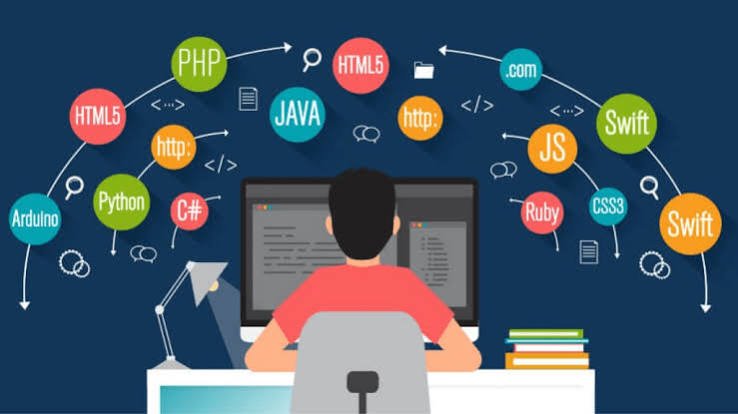
Many AI coding assistants support popular programming languages such as Python, JavaScript, PHP, Java, C++, and TypeScript.
This flexibility helps developers work across different technologies without constantly switching between separate programming resources.
However, code quality and language support can vary between platforms.
How to Choose the Best AI Tool for Software Development
Not every AI coding assistant is suitable for every project. Before selecting a platform, consider your technical experience, development requirements, and available budget.
Here are some important factors to evaluate.
1. Programming Language Support
Choose a tool that supports the programming languages you use.
If you work with Python, JavaScript, PHP, Java, C++, or TypeScript, check whether the platform provides reliable assistance for those languages.
Also consider whether the tool supports your preferred frameworks, libraries, and development environments.
2. Ease of Use
Beginners should consider platforms with simple interfaces and natural language prompts.
Replit and Lovable are useful starting points, while Cursor and Claude Code offer more advanced development workflows.
Choose a tool that matches your technical experience rather than paying for advanced features you may not need.
3. Automation Capabilities
Look for tools that can perform more than basic code completion.
Features such as multi-file editing, automated testing, debugging, and project analysis can make a significant difference.
If you frequently work on complex applications, an AI coding agent may be more useful than a basic autocomplete assistant.
4. Security and Privacy
Review how each platform handles source code, project data, and access permissions.
Businesses working with confidential information should pay particular attention to data retention, deployment options, and organizational controls.
Never share passwords, API keys, private credentials, or sensitive customer information in an AI prompt.
5. Pricing and Usage Limits
Many AI coding platforms offer free plans or limited trials.
Compare subscription costs, usage allowances, model access, and additional charges before purchasing a premium plan.
Consider the value the tool provides rather than selecting a platform based only on its lowest price.
6. Integration With Existing Tools
Consider whether the platform integrates with your existing code editor, GitHub repositories, cloud services, databases, and deployment environments.
Good integration can reduce workflow interruptions and make development more efficient.
Best AI Coding Tools Based on Different Requirements
Here is a quick recommendation based on the type of software development you want to perform.
| Requirement | Recommended Tool |
|---|---|
| Best AI-first editor | Cursor |
| AI pair programming | GitHub Copilot |
| Complex coding tasks | Claude Code |
| Automated software engineering | OpenAI Codex |
| AI-powered IDE | Windsurf |
| Beginner-friendly development | Replit |
| Build applications with prompts | Lovable |
| Generate website interfaces | v0 |
| AWS application development | Amazon Q Developer |
| Enterprise coding assistance | Tabnine |
These recommendations reflect the tools’ primary strengths rather than a universal performance ranking. The best platform for your project will depend on its technical requirements and development workflow.
Tips for Getting Better Results From AI Coding Tools
Using an AI coding assistant effectively requires clear instructions and a structured development process.
Here are some practical tips to help you get better results.
Write Clear and Detailed Prompts
Instead of asking an AI tool to build an entire application with one vague instruction, explain the application’s purpose, features, design requirements, and preferred technologies.
For example:
“Build a responsive WordPress plugin dashboard using PHP, JavaScript, and CSS. Include an admin settings page, user-friendly navigation, secure form validation, and clear error messages.”
Detailed instructions help AI tools understand your requirements and generate more relevant code.
Break Large Projects Into Smaller Tasks
Divide your application into smaller development stages.
Start with the user interface, then work on backend functionality, database integration, authentication, and testing.
This approach makes it easier to identify errors, review generated code, and maintain control over the project.
Always Review Generated Code
AI-generated code should not automatically be considered production-ready.
Check its functionality, security, performance, and compatibility before using it in a live application.
Pay special attention to authentication, payment processing, database queries, and user information.
Use Git for Version Control
Maintain a Git repository and create commits before major AI-assisted changes.
This gives you a way to review modifications and restore earlier versions if something goes wrong.
Version control is particularly important when AI agents can edit multiple project files.
Test Applications Before Deployment
Run unit tests, integration tests, and security checks before releasing software.
AI can help generate test cases, but the final responsibility for verifying the application remains with the development team.
Never deploy major AI-generated changes without reviewing and testing them.
The Future of AI Tools for Automated Coding and Software Development
AI-powered development is moving beyond simple code completion. Modern platforms increasingly use autonomous coding agents that can understand project requirements, plan tasks, modify multiple files, execute commands, and assist with testing.
This development is changing how software teams approach programming.
In the coming years, AI coding tools are likely to become more useful in several areas.
Autonomous Software Development
AI agents will continue improving their ability to handle multi-step programming tasks.
Developers will be able to delegate specific activities, such as implementing features, fixing bugs, and updating project files, while maintaining control over the final results.
Automated Software Testing
AI will help developers generate test cases, identify potential defects, and improve software quality.
Automated testing can reduce repetitive manual work and help teams identify problems earlier in the development process.
Code Maintenance and Modernization
Maintaining older applications can be challenging, especially when documentation is incomplete.
AI coding assistants can help developers understand existing code, identify outdated components, and plan modernization projects.
Natural Language Programming
More people will build applications by describing their requirements in everyday language.
This will make software development more accessible to entrepreneurs, designers, and small businesses.
AI-Assisted Security
Development platforms will increasingly help identify vulnerabilities, review dependencies, and recommend secure coding practices.
However, AI security suggestions should be combined with professional security testing.
Faster Product Development
Startups and small businesses will be able to prototype and test software ideas more efficiently.
This can reduce the time between an initial idea and a working product.
However, human expertise will remain important. Developers will still need to make architectural decisions, review code, manage security risks, and ensure that applications meet business requirements.
Final Verdict:
The best AI tools for automated coding and software development depend on what you want to build and how you prefer to work.
If you are a professional developer looking for an advanced AI-powered editor, Cursor is an excellent choice. GitHub Copilot is suitable for everyday programming assistance, while Claude Code is particularly useful for complex coding tasks and project-level changes.
OpenAI Codex is worth considering if you want to delegate software engineering tasks to an AI agent. Replit and Lovable are excellent options for beginners and entrepreneurs who want to create applications using natural language instructions.
For frontend development, v0 offers a convenient way to generate user interfaces. Amazon Q Developer is useful for AWS-focused projects, while Tabnine is worth evaluating for enterprise development environments.
Our recommendation is to start with a free plan or trial, test the tool on a small project, and evaluate its code quality before committing to a paid subscription.
AI does not eliminate the need for programming knowledge. Instead, it gives developers better ways to write, understand, test, and maintain software.
Choosing the right AI development platform can help you build applications faster while maintaining control over quality, security, and performance.
Must Read:
- HTML, CSS, and JavaScript: How to Build a Website From Scratch With AI
- Best AI Tools for Python Programming and Automation
- How to Deploy an AI-Built Website for Free?
FAQs:
1. What are the best AI tools for automated coding?
Some of the best AI tools for automated coding include Cursor, GitHub Copilot, Claude Code, OpenAI Codex, Windsurf, and Replit.
These platforms help developers generate code, automate programming tasks, debug applications, and improve development productivity.
2. Which AI coding tool is best for beginners?
Replit and Lovable are good options for beginners.
Both provide accessible development experiences that allow users to create applications using natural language instructions. GitHub Copilot is another useful option for people learning traditional programming.
3. Can AI tools build complete software applications?
Yes. Some AI-powered platforms can generate complete application prototypes, including frontend interfaces, backend functionality, and database integrations.
However, complex applications still require human supervision, testing, security reviews, and technical improvements.
4. Is GitHub Copilot better than Cursor?
GitHub Copilot is suitable for developers who want AI assistance inside their existing development environments.
Cursor is a strong choice for developers who prefer an AI-first editor with extensive project context and multi-file editing capabilities.
The better option depends on your workflow and development requirements.
5. Can AI coding tools replace software developers?
AI coding tools cannot completely replace professional software developers.
They can automate repetitive programming tasks and generate code, but developers are still needed for architecture, security, troubleshooting, testing, and complex technical decisions.
6. Are there free AI tools for coding?
Yes. Several platforms offer free plans or limited free usage, including GitHub Copilot, Cursor, Replit, and other AI development tools.
Free plan features and usage limits can change, so check the official websites for current details.
7. Which AI tool is best for building websites?
Lovable, Replit, and v0 are useful for building websites and web application prototypes.
Cursor and GitHub Copilot are better suited to developers who want more direct control over the underlying code.
8. Can AI coding tools fix programming errors?
Yes. AI coding assistants can analyze error messages, inspect relevant code, explain potential problems, and suggest fixes.
Some coding agents can also modify files and run commands to help resolve issues. Always test the suggested changes before deploying them.
9. Are AI-generated codes safe to use?
AI-generated code can contain security vulnerabilities, incorrect logic, or outdated programming practices.
Developers should review the code, run automated tests, check dependencies, and perform security assessments before using it in production.
10. What is the difference between an AI coding assistant and an AI coding agent?
An AI coding assistant generally helps with code suggestions, explanations, and completion.
An AI coding agent can take on larger tasks, such as inspecting project files, editing multiple files, executing commands, and running tests within its permitted environment.
Sources and Further Reading
For additional information about AI coding platforms and their capabilities, visit these official resources:
- OpenAI Codex: https://developers.openai.com/codex/
- Cursor AI: https://cursor.com/
- GitHub Copilot: https://github.com/features/copilot
- Claude Code: https://claude.com/product/claude-code
- Windsurf: https://windsurf.com/
- Replit: https://replit.com/
- Lovable: https://lovable.dev/
- Vercel v0: https://v0.app/
- Amazon Q Developer: https://aws.amazon.com/q/developer/
- Tabnine: https://www.tabnine.com/