Artificial intelligence is changing website design and development by making many parts of the process faster, more automated, and accessible to a wider range of people. Designers and developers can now use AI to generate layouts, create content, write code, improve images, analyze user behavior, identify website issues, and build prototypes in a shorter amount of time.
For years, creating a professional website required a combination of design skills, coding knowledge, content writing, SEO experience, and technical development. Today, AI-powered website tools can assist with many of these tasks through natural-language prompts and automated workflows. This does not mean that human designers and developers are no longer important. Instead, AI is becoming another tool that professionals can use to improve productivity and experiment with new ideas.
AI website design and development is particularly useful for businesses, freelancers, agencies, startups, and entrepreneurs that need to launch websites quickly. A business owner can describe the type of website they need, and an AI-powered platform can generate an initial structure. A designer can then refine the result to match the brand, while a developer can add custom functionality when necessary.
The impact of AI extends beyond website creation. AI Is Changing Website Design are optimized, personalized, maintained, and improved after launch. From automated content suggestions to intelligent customer support, artificial intelligence is becoming part of the broader website lifecycle.
What Is AI in Website Design and Development?
AI in website design and development refers to the use of artificial intelligence technologies to assist with tasks involved in creating, managing, and improving websites.
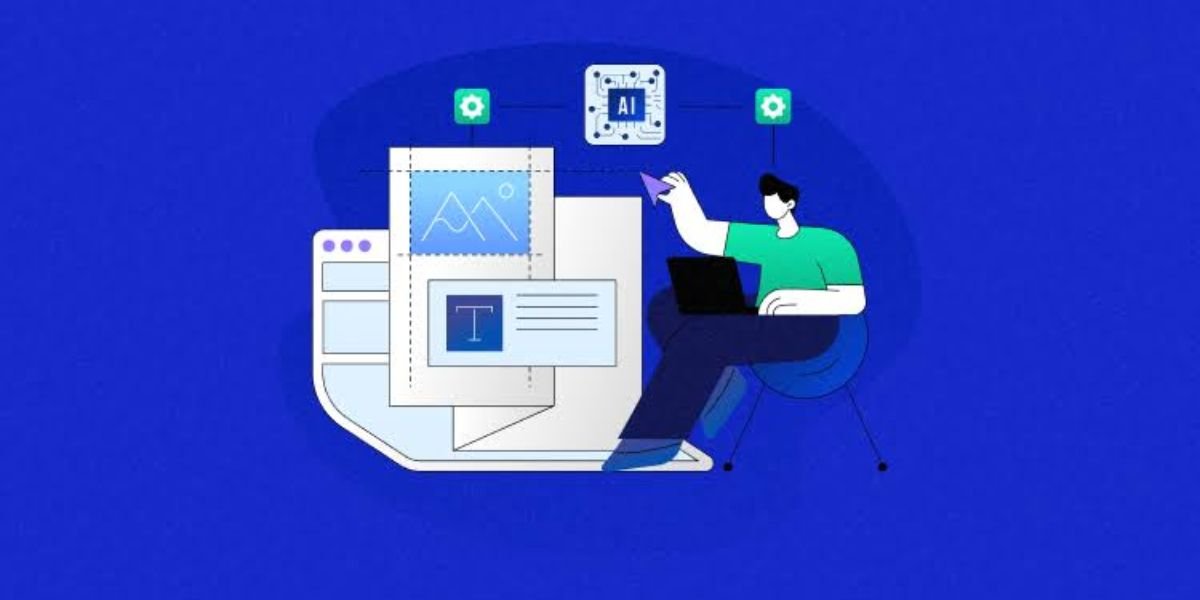
AI tools can process natural-language instructions and use patterns from large amounts of data to generate recommendations or outputs. In website design, this can include page layouts, color combinations, typography suggestions, content structures, images, and user interface concepts.
In development, AI can assist with writing code, explaining existing code, identifying potential errors, generating components, and creating prototypes.
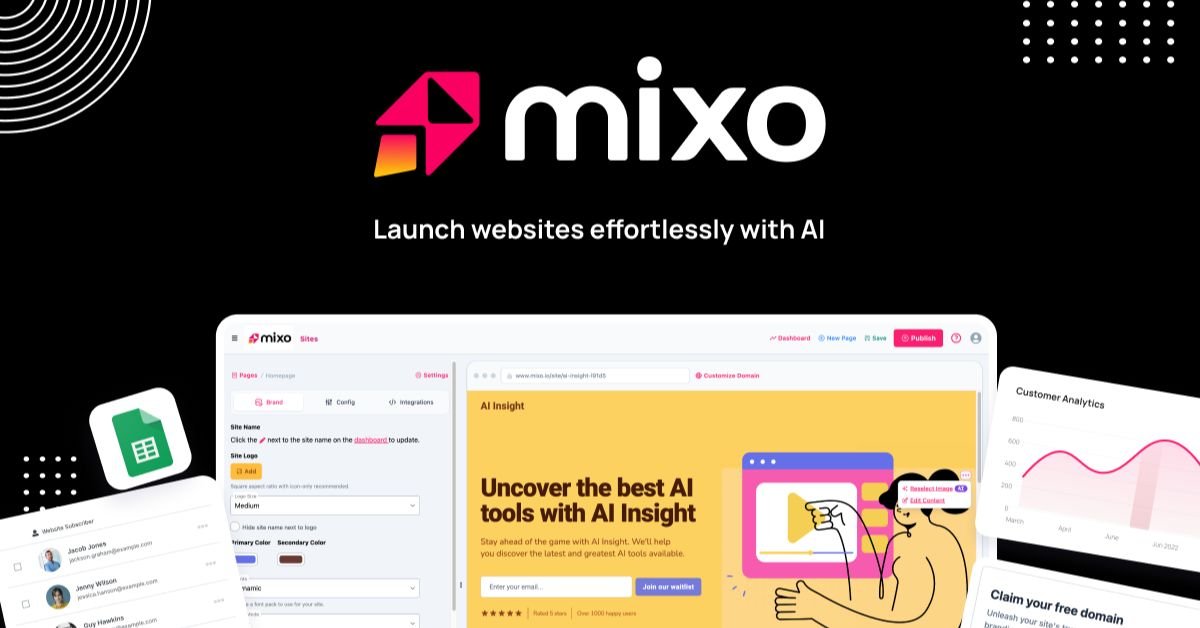
For example, a user could ask an AI website builder to create a modern website for a software company. The system may generate a homepage containing a navigation menu, hero section, product benefits, features, testimonials, pricing, FAQs, and a contact section.
The user can then modify the generated website using visual controls or additional prompts.
AI is therefore changing website design and development by reducing some of the manual work involved in turning an idea into a functioning website.
AI Is Making Website Design Faster
One of the biggest changes AI has introduced is faster design creation.
Traditional website design often begins with research and wireframes before moving into visual design. Designers may create several concepts before selecting one direction.
AI can speed up the early stages by generating multiple design concepts based on a short description.
For example, an AI website design tool can create different homepage structures for an ecommerce business, digital agency, restaurant, SaaS company, or personal portfolio.
This does not eliminate the need for professional design. Instead, it provides designers with a starting point that can be refined.
The ability to generate ideas quickly is especially useful when working under tight deadlines. Designers can spend less time creating repetitive initial concepts and more time improving the user experience, visual hierarchy, branding, and accessibility.
AI Is Automating Website Layout Creation
Website layout is an important part of user experience. Visitors need to understand where they are, what a business offers, and what they should do next.
AI-powered website builders can automatically generate common website sections based on the website’s purpose.
A service business may receive sections for services, testimonials, benefits, about information, FAQs, and contact details.
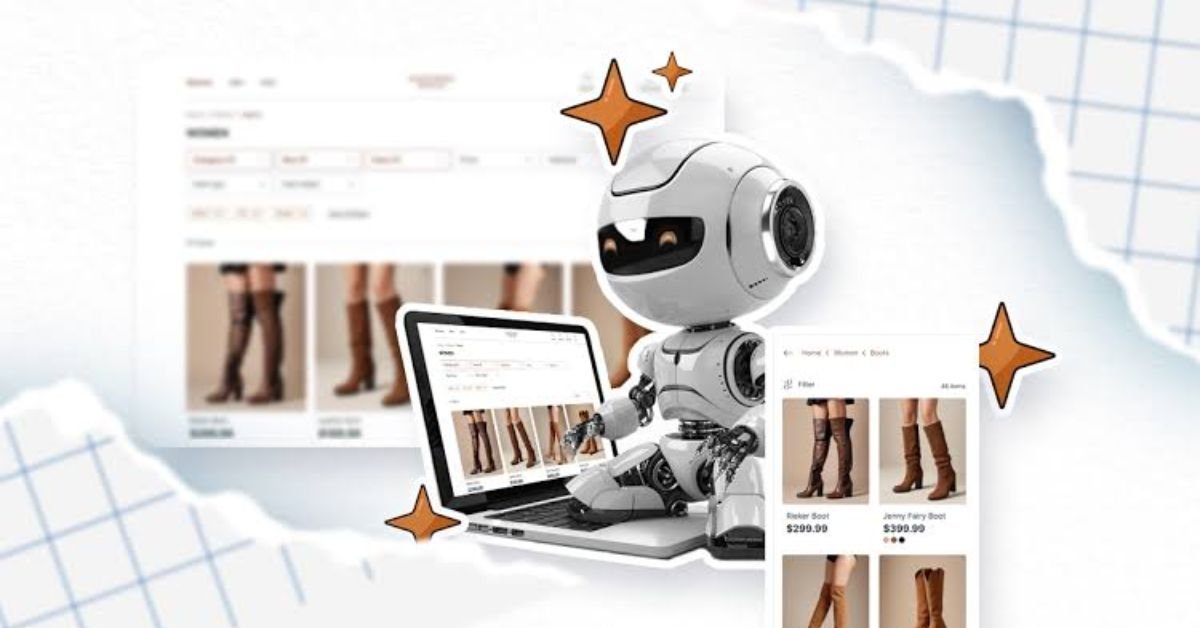
An ecommerce website may receive product categories, featured products, product grids, reviews, promotional banners, and shopping sections.
AI can also suggest where different components should appear on a page.
However, generated layouts still need human review. A layout that looks good visually may not necessarily be the most effective structure for a specific audience or business goal.
AI Is Changing Website Content Creation
Content is another major area where AI is changing website development.
Creating website content can take significant time, particularly when a website contains dozens of service pages or hundreds of product pages.
AI can generate drafts for:
- Homepage headlines
- Product descriptions
- Service descriptions
- Blog posts
- FAQs
- Meta descriptions
- Calls to action
- Email content
- Landing page copy
- Social media content
This can make the content production process faster.
For example, an ecommerce business can provide product specifications to an AI tool and request a draft description. A content team can then edit the draft to make it more accurate, brand-specific, and useful.
AI-generated content should not be published without review. Human editors need to verify facts, remove generic language, add relevant details, and ensure that the content meets the needs of the target audience.
AI Is Assisting With Website Coding
Artificial intelligence is also changing website development by assisting developers with code.
Developers can use AI coding assistants to generate code snippets, explain programming concepts, create components, identify potential errors, and suggest improvements.
For example, a developer might describe a responsive navigation menu and ask an AI coding tool to generate a starting implementation.
AI can also help developers understand unfamiliar code. A developer can provide a code section and ask the AI to explain what it does or identify potential problems.
This can be particularly useful for repetitive development tasks.
However, developers should review AI-generated code before using it in production. Code needs to be checked for security, performance, maintainability, accessibility, and compatibility with the rest of the application.
AI-generated code can accelerate development, but technical expertise remains important.
AI Is Making Website Prototyping Easier
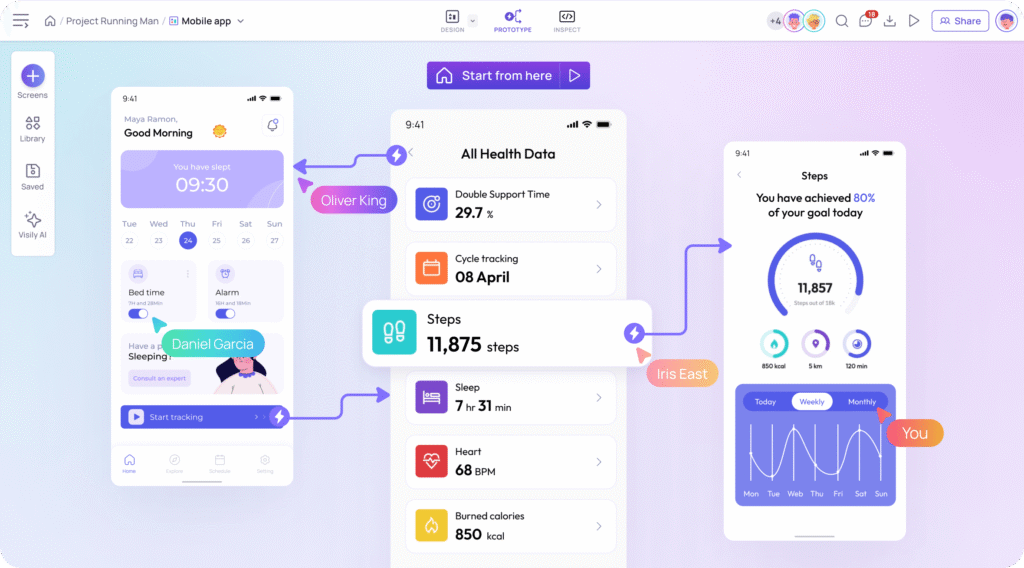
Prototyping allows teams to test website ideas before spending significant time and resources on full development.
AI can create prototypes from text descriptions, sketches, or basic requirements.
A startup, for example, can describe a SaaS dashboard and generate an early interface concept. The team can then review the navigation, screen structure, and user flow before development begins.
This can reduce the time required to test ideas.
AI-assisted prototyping is also useful for client presentations. Agencies can create a visual concept quickly and use it to collect feedback before beginning detailed development.
AI Is Improving Responsive Website Design
Modern websites need to work across different screen sizes.
Responsive design allows website layouts to adjust to desktops, tablets, and smartphones.
AI-powered website builders can automatically generate responsive versions of website layouts. They can adjust sections, images, columns, buttons, and other elements for different devices.
This can reduce the amount of manual work required during the initial design process.
However, automated responsiveness does not guarantee a perfect mobile experience. Designers should still test websites on different screen sizes and check elements such as navigation menus, forms, typography, buttons, and product grids.
AI Is Changing Image Creation and Optimization
Visual content plays a major role in website design.
AI image tools can help businesses and designers generate graphics, remove backgrounds, improve image quality, create variations, and prepare visual assets for websites.
A business can use AI to create concept images for a landing page or generate background visuals that match a particular design style.
AI can also help optimize existing images by resizing them or preparing them for web use.
Accuracy is important, especially for ecommerce websites. AI-generated product images should not misrepresent the actual product. Customers should receive an accurate representation of what they are purchasing.
AI Is Supporting Search Engine Optimization
AI is also changing website SEO workflows.
AI tools can help identify keyword ideas, organize content topics, create title suggestions, generate meta descriptions, identify internal linking opportunities, and structure content.
For example, an SEO professional can provide a website topic to an AI tool and request a content outline based on common search intent.
AI can also analyze existing website content and suggest areas that may need improvement.
However, SEO should not become a process of automatically generating large amounts of content. Search visibility depends on many factors, including content quality, relevance, technical performance, user experience, authority, and search intent.
Human SEO expertise remains important for interpreting data and making strategic decisions.
AI Is Personalizing Website Experiences
Website personalization is another important development.
Traditional websites often show the same content to every visitor. AI can help businesses create more personalized experiences based on available customer information and behavior.
For example, an ecommerce website may recommend products based on browsing or purchase history.
A content website may recommend related articles based on previous interactions.
A SaaS website may display different onboarding suggestions depending on the user’s activity.
Personalization can make websites more relevant to visitors, but businesses should implement it responsibly and follow applicable privacy requirements.
AI Is Improving Customer Support
AI-powered chatbots and virtual assistants are becoming common on websites.
These systems can answer frequently asked questions, help users find information, provide product details, and guide visitors through common processes.
For ecommerce websites, an AI assistant might answer questions about shipping, returns, product availability, or product specifications.
For a service business, an AI chatbot could help visitors understand available services or direct them toward a contact form.
AI customer support can operate outside traditional business hours, but businesses should provide a clear path to human assistance when a question requires personal attention.
AI Is Helping Developers Find Website Problems
Website maintenance can involve identifying broken links, performance issues, code errors, accessibility problems, and other technical concerns.
AI-powered tools can analyze website information and highlight potential issues.
For example, AI may help identify unnecessary code, potential accessibility problems, or pages that could benefit from performance improvements.
Developers can use these recommendations as part of their quality assurance workflow.
AI does not replace testing, but it can help developers identify areas that deserve closer attention.
AI Is Changing Ecommerce Website Development
Ecommerce is one of the areas where AI can have a particularly strong impact.
AI can assist with product descriptions, product recommendations, category organization, customer support, marketing copy, image editing, and personalization.
An online store with thousands of products can use AI to assist with repetitive content tasks.
AI can also help shoppers find relevant products through recommendation systems and intelligent search.
For ecommerce businesses, these capabilities can improve operational efficiency while helping customers find products more easily.
However, product information must remain accurate. Businesses should verify prices, specifications, availability, shipping information, and other important details.
AI Is Helping Agencies Manage More Website Projects
Digital agencies can use AI to improve production workflows.
An agency may manage multiple websites at different stages of development. AI can assist with client research, website structures, content drafts, design concepts, landing pages, SEO recommendations, and documentation.
For example, an agency receiving a website brief can use AI to turn the client’s requirements into a sitemap and initial page structure.
Designers can then create the visual direction, developers can implement custom functionality, and content specialists can refine the copy.
This collaborative workflow can reduce repetitive work without removing professional oversight.
AI Is Changing the Role of Web Designers

As AI handles more repetitive design tasks, the role of web designers is evolving.
Designers are increasingly focused on creative direction, brand identity, user experience, accessibility, visual hierarchy, and strategic decision-making.
Instead of manually creating every component, designers can use AI to generate options and then select and refine the most appropriate solution.
Human creativity remains important because a website needs to communicate a specific brand message and address a particular audience.
AI can generate patterns based on existing information, but designers provide context, judgment, and creative direction.
AI Is Changing the Role of Web Developers
Web developers are also adapting to AI-assisted workflows.
Developers can use AI to accelerate coding, debugging, documentation, testing, and prototyping.
This means developers may spend less time writing repetitive code and more time working on architecture, security, performance, integrations, and complex functionality.
The need for development knowledge remains important because AI-generated code can contain errors or security issues.
Understanding how systems work allows developers to evaluate AI output instead of blindly accepting it.
Benefits of AI for Website Design and Development
There are several benefits associated with AI-powered website workflows.
Faster Development
AI can reduce the time required for initial design, content creation, prototyping, and coding.
Lower Repetitive Work
Routine tasks can be automated, allowing professionals to focus on more valuable work.
Faster Prototyping
Teams can create and test website concepts quickly.
Greater Accessibility
People with limited technical knowledge can use AI-powered tools to create websites.
More Design Options
AI can generate multiple design and layout ideas for comparison.
Improved Productivity
Designers, developers, marketers, and content teams can use AI to complete certain tasks more efficiently.
Challenges of Using AI for Website Design
AI also introduces several challenges.
One challenge is originality. AI-generated designs can sometimes appear similar to existing patterns and templates.
Another issue is accuracy. AI-generated content and code may contain errors.
There are also privacy and security considerations when AI tools process business or customer information.
Accessibility can also be overlooked if AI-generated designs are not reviewed properly.
For professional websites, human review remains essential.
How to Use AI Responsibly in Website Development
Businesses should establish a clear workflow for using AI.
First, define what information can be shared with AI tools. Avoid exposing confidential customer information or sensitive business data unless the tool and applicable policies allow it.
Second, verify AI-generated content.
Third, review AI-generated code for security and quality.
Fourth, test website designs with real users when appropriate.
Fifth, maintain human control over important business decisions.
The goal should not be to automate everything. The goal should be to use AI where it creates genuine value.
The Future of AI in Website Design and Development
AI is likely to become more deeply integrated into website creation and management.
Website builders may become increasingly capable of transforming detailed business requirements into complete website systems.
AI could assist with ongoing optimization by analyzing website performance and suggesting changes to layouts, content, navigation, and user experiences.
AI may also become more connected to analytics, CRM platforms, marketing systems, ecommerce platforms, and development environments.
This could create a more continuous workflow where websites are not simply created once but continuously improved based on business and user data.
Despite these developments, human expertise will remain important. Strategy, creativity, brand positioning, ethical decisions, privacy, security, and user understanding cannot simply be delegated to automation.
Must Read:
- Best AI Website Builders for Agencies and Freelancers
- How to Build an E-commerce Website With AI?
- Best AI Web Design Tools for Creating Modern Websites
Final Thoughts:
AI is changing website design and development by accelerating many tasks that traditionally required significant manual effort. From generating website layouts and writing content to assisting with coding, SEO, images, testing, personalization, and customer support, AI is becoming a valuable part of the modern web workflow.
For businesses, AI can make website creation more accessible and efficient. For freelancers and agencies, it can reduce repetitive production work and speed up project delivery. For designers and developers, AI can act as a creative and technical assistant.
At the same time, AI-generated websites still require human direction. A successful website needs accurate information, strong branding, clear navigation, responsive design, accessible interfaces, useful content, secure functionality, and ongoing optimization.
The future of website design and development is therefore likely to involve collaboration between humans and AI. AI can handle many repetitive and time-consuming tasks, while designers, developers, marketers, and business owners provide the strategy, creativity, judgment, and quality control needed to create websites that genuinely serve their users.
As AI technology continues to improve, businesses that learn how to use these tools effectively can streamline their website workflows while maintaining control over the final experience.