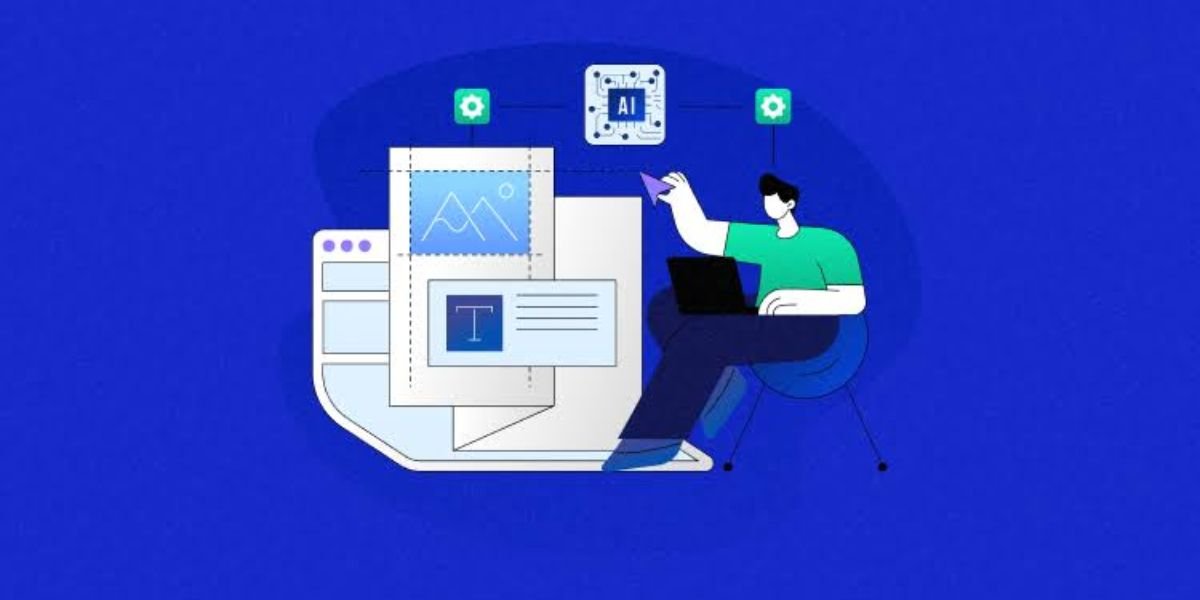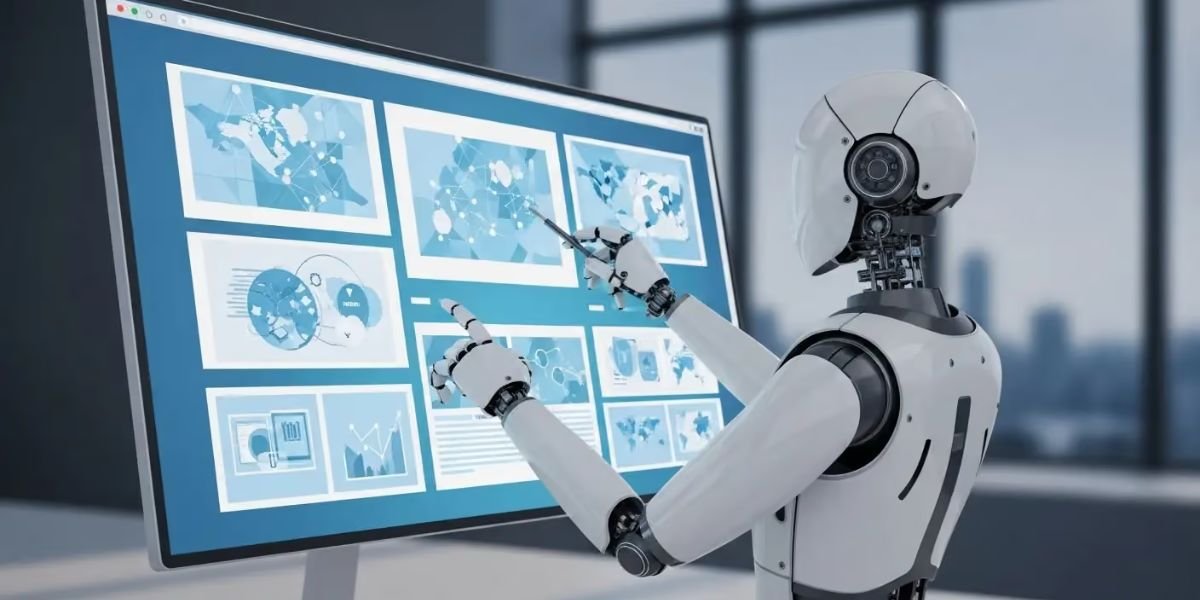
Can AI build a complete website from scratch? Yes, modern AI website builders can create many of the major components required for a website, including page layouts, website copy, navigation menus, images, forms, responsive designs, and basic functionality. AI can also help generate code, improve existing pages, identify design problems, and optimize content for search engines.
However, building a complete website is more than generating a homepage. A successful website needs a clear purpose, useful content, reliable functionality, mobile responsiveness, SEO, security, performance, and ongoing maintenance. AI can automate many of these tasks, but human review remains important.
For beginners, entrepreneurs, bloggers, freelancers, and small businesses, AI website builders can significantly reduce the technical barrier to creating a website. Instead of learning how to code everything manually, users can describe what they want and let AI create a starting version that can then be customized.
What Does Building a Website From Scratch Mean?
Building a website from scratch traditionally means creating a website without relying entirely on a pre-built finished website. The process can involve planning the website structure, designing pages, writing content, developing functionality, testing the website, and publishing it online.
When people ask, “Can AI build a complete website from scratch?” they may be referring to several different levels of website creation.
AI can generate a basic informational website with multiple pages and standard sections. It can also generate code for more customized websites. Some advanced platforms can connect databases, APIs, forms, authentication, and other functionality.
The level of automation depends on the AI tool and the complexity of the project.
A five-page business website is much easier for AI to generate than a large web application with user accounts, real-time data, payment processing, complex databases, and custom integrations.
How AI Builds a Website From Scratch
AI website creation generally starts with instructions from the user. These instructions tell the AI what the website is about and what features it should include.
For example, a user could provide a prompt such as:
“Create a modern website for a digital marketing agency that provides SEO, PPC, social media marketing, and content marketing services. Include Home, About, Services, Case Studies, Blog, and Contact pages. Use a professional design with clear calls to action.”
The AI can interpret the requirements and generate an initial website structure.
Depending on the platform, AI may create:
- Navigation menus
- Homepage layouts
- Service sections
- About pages
- Contact forms
- Calls to action
- Website copy
- Images or image suggestions
- Blog structures
- Footer sections
- Responsive layouts
- Basic SEO settings
The user can then review and modify the generated website.
Can AI Create the Website Design?
Yes. AI can generate website designs based on the type of business, target audience, desired style, and other instructions.
The AI website design process can involve choosing page structures, typography, colors, spacing, sections, buttons, images, and visual hierarchy.
For example, an AI tool might create a clean layout for a technology startup or a more image-focused layout for a photography portfolio.
AI can also help redesign existing websites. Users can provide instructions such as changing the visual style, reorganizing sections, simplifying navigation, or creating a more mobile-friendly layout.
However, design quality still benefits from human review. A design that looks impressive may not necessarily provide the best user experience.
Can AI Write Website Content?
Yes. AI can generate many types of website content.
It can create draft versions of:
- Headlines
- Subheadings
- Product descriptions
- Service descriptions
- About pages
- FAQs
- Calls to action
- Blog posts
- Landing pages
- Email signup messages
- Navigation labels
This can save considerable time during website development.
However, AI-generated content should be reviewed before publication. Businesses should verify factual claims and add original information that reflects their products, services, experience, and customers.
Generic content can make websites look similar to thousands of others. Adding real examples, customer information, original insights, and specific business details can make the website more useful and distinctive.
Can AI Generate Website Code?
AI coding tools can generate HTML, CSS, JavaScript, and code in other programming languages. This means AI can help developers create websites without manually writing every line of code.
For example, AI can generate:
- HTML page structures
- CSS layouts
- JavaScript interactions
- Responsive components
- Navigation menus
- Forms
- Buttons
- Animations
- UI components
- Database-related code
- API integrations
AI can also explain code and help developers identify potential errors.
However, generated code should be tested. A website can appear correct while still containing security, performance, accessibility, or compatibility problems.
For complex applications, experienced developers may still be needed to review architecture and implementation.
Can AI Create a Website Without Coding?
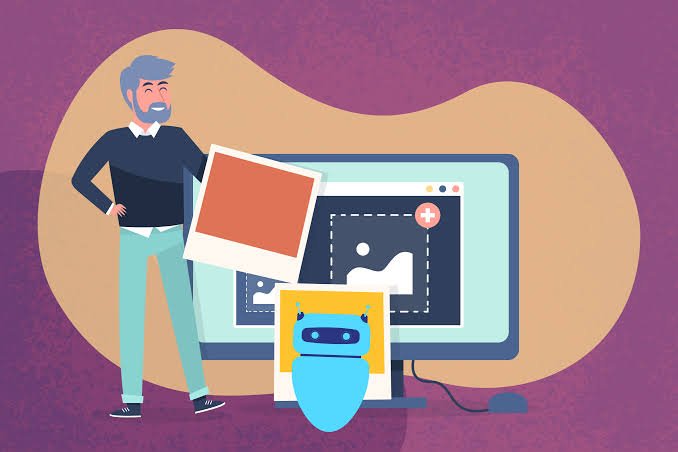
This is one of the most important reasons people ask, “Can AI build a complete website from scratch?”
Yes, many AI website builders allow users to create websites without writing code.
No-code AI website builders generally use natural-language prompts and visual editors. The user describes the website, AI creates the initial version, and the user edits the result using visual controls.
This approach can be useful for:
- Small businesses
- Freelancers
- Bloggers
- Entrepreneurs
- Local businesses
- Consultants
- Creators
- Agencies
- Portfolio websites
- Landing pages
No-code AI tools can make website creation much more accessible to beginners.
Can AI Create a Multi-Page Website?
Yes. Many AI website builders can generate multiple pages based on a business description.
A typical business website might include:
Homepage
The homepage introduces the company and explains its main offering.
About Page
The About page provides information about the business, team, experience, and mission.
Services Page
The Services page explains what the company provides.
Product Page
Product pages can present products, features, specifications, pricing, and purchasing information.
Blog
A blog can provide useful educational content and support SEO efforts.
Contact Page
The Contact page provides ways for visitors to communicate with the business.
AI can help generate the structure for each page, but businesses should customize the content to reflect their actual information.
Can AI Build an E-Commerce Website?
AI can help create many parts of an e-commerce website, but a complete online store requires more than design.
An e-commerce website may require:
- Product catalogs
- Product pages
- Categories
- Shopping cart
- Checkout
- Payment processing
- Shipping options
- Inventory management
- Customer accounts
- Order management
- Refund systems
- Tax configuration
- Security
- Customer support
AI can assist with layouts, product descriptions, categories, navigation, and some technical development.
However, payment processing and other sensitive systems require appropriate configuration and testing.
If you are asking, “Can AI build a complete website from scratch?” the answer for e-commerce is generally yes for the website’s structure and many components, but additional systems and careful configuration are required for a functioning commercial store.
Can AI Build a Website for SEO?
AI can help create an SEO-friendly website structure and generate content ideas.
For example, AI can assist with:
- Keyword ideas
- Page titles
- Meta descriptions
- Heading structures
- Content outlines
- Internal linking ideas
- Image alt text
- FAQ content
- Blog topics
- Content optimization
However, SEO success is not guaranteed simply because AI created the website.
Search visibility depends on many factors, including content quality, search intent, technical performance, website authority, competition, backlinks, user experience, and how effectively the website answers users’ questions.
AI can support SEO work, but a complete SEO strategy still requires research, monitoring, and human judgment.
Can AI Make Websites Mobile-Friendly?
Yes. Modern AI website builders can generate responsive layouts designed to work across desktop computers, tablets, and smartphones.
Responsive design automatically adjusts elements based on screen size.
When creating a website with AI, check the mobile version carefully. Pay attention to:
- Text size
- Navigation menus
- Button sizes
- Images
- Forms
- Spacing
- Columns
- Product displays
- Page loading
A website that looks good on desktop may still require adjustments on smaller screens.
Can AI Add Forms and Interactive Features?
AI can create basic forms and interactive elements.
Examples include:
- Contact forms
- Newsletter forms
- Search boxes
- FAQ accordions
- Buttons
- Navigation menus
- Calculators
- Interactive sections
- Appointment forms
More advanced functionality may require external services, APIs, databases, or custom development.
For example, a simple contact form is much easier to create than a sophisticated customer portal connected to multiple business systems.
Can AI Connect APIs and External Services?
Advanced AI development tools can assist with API integrations.
An API allows different software systems to communicate with one another.
For example, a website might connect to:
- Payment services
- CRM systems
- Email platforms
- Maps
- Analytics
- Scheduling software
- Product databases
- Social media services
AI can generate integration code and explain how APIs work.
However, API integrations often require authentication, permissions, error handling, data validation, and security considerations. These areas should be tested carefully.
Can AI Create a Website Database?
Some AI coding platforms can generate database structures and backend code.
A database may store information such as:
- Customer accounts
- Products
- Orders
- Blog posts
- User profiles
- Appointments
- Inventory
- Website submissions
AI can help create database schemas and queries, but databases should be designed carefully.
Poor database design can cause performance issues, data inconsistencies, and security risks.
For complex applications, technical expertise remains valuable.
Can AI Handle Website Security?
AI can help identify potential security problems and generate security-related code, but website security should not be treated as an automatic feature.
A professional website may need protection against issues such as unauthorized access, malicious requests, insecure passwords, data exposure, and vulnerable third-party components.
Businesses should use secure hosting, strong authentication, software updates, backups, HTTPS, access controls, and appropriate security practices.
AI can provide assistance, but security decisions should be verified by knowledgeable professionals when the website handles sensitive information.
Can AI Optimize Website Performance?
AI can help identify opportunities to improve website performance.
It may suggest:
- Compressing images
- Removing unnecessary scripts
- Improving code
- Reducing page size
- Optimizing fonts
- Improving caching
- Simplifying layouts
- Improving loading behavior
Website speed depends on hosting, code, images, scripts, databases, third-party services, and other factors.
AI recommendations should therefore be tested using appropriate performance tools rather than accepted automatically.
Can AI Build a Web Application?
This is where the answer to “Can AI build a complete website from scratch?” becomes more nuanced.
AI can assist with creating web applications, including interfaces, backend logic, databases, and APIs.
For example, AI coding tools can help create:
- Dashboards
- Customer portals
- Booking systems
- Project management tools
- Internal business applications
- Membership platforms
- SaaS interfaces
- Content management systems
However, complex applications require extensive testing and technical oversight.
A working prototype is not necessarily the same as a production-ready application.
Applications that handle payments, personal information, financial information, or other sensitive data require particularly careful testing and security review.
How Long Does It Take to Build a Website With AI?
The time required depends on the type and complexity of the website.
A simple five-page business website may be generated relatively quickly using an AI website builder.
A larger website with dozens of pages, e-commerce functionality, custom integrations, databases, and advanced features will take considerably longer.
AI can reduce development time by automating repetitive tasks, but planning, customization, testing, SEO, content editing, and deployment still require time.
The fastest website is not necessarily the best website. Quality and accuracy should remain priorities.
AI Website Builder vs Traditional Website Development
AI website builders and traditional development serve different needs.
AI website builders are useful for users who want to create websites quickly without extensive coding knowledge.
Traditional development can provide greater technical control and customization.
AI Website Builders
AI website builders generally offer:
- Faster initial creation
- No-code or low-code editing
- AI-generated layouts
- AI content assistance
- Templates
- Hosting options
- Visual customization
Traditional Development
Traditional development can provide:
- Greater customization
- Full code control
- Custom application architecture
- Advanced integrations
- Specialized functionality
For a simple business website, AI may provide enough functionality. For highly specialized applications, traditional development or professional engineering may be more appropriate.
Step-by-Step: How to Build a Complete Website With AI
If you want to create a website using AI, follow a structured process.
Step 1: Define Your Website Purpose
Determine whether the website is for a business, blog, portfolio, online store, landing page, community, or web application.
Step 2: Identify Your Audience
Define who will visit your website and what they need.
Step 3: Plan Your Pages
List the pages you need before generating the website.
Step 4: Write a Detailed AI Prompt
Give the AI information about your business, audience, design preferences, pages, and goals.
Step 5: Generate the Website
Let the AI create the initial structure and design.
Step 6: Customize the Website
Add your logo, colors, fonts, images, content, products, services, and other business information.
Step 7: Optimize for SEO
Review page titles, descriptions, headings, URLs, images, content, and internal links.
Step 8: Add Required Integrations
Connect forms, analytics, email marketing, payments, booking tools, CRM systems, or other services as needed.
Step 9: Test Everything
Check the website on different browsers and screen sizes. Test forms, links, buttons, payments, and other important functions.
Step 10: Publish
Connect your domain, configure hosting, and publish the website.
Step 11: Monitor and Improve
After launch, monitor traffic, user behavior, technical performance, and conversions. Update the website as your business changes.
How to Write a Better AI Prompt for Website Creation
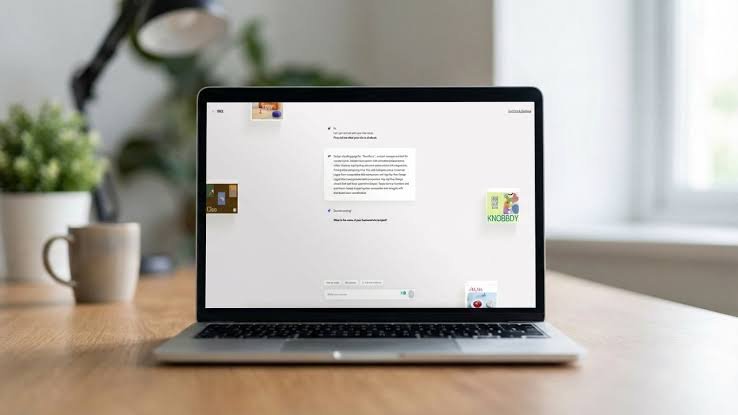
The quality of your instructions can affect the quality of the generated website.
A weak prompt might say:
“Build me a website.”
A better prompt could say:
“Create a professional website for a small digital marketing agency serving startups and local businesses. The agency provides SEO, PPC advertising, social media marketing, and content marketing. Include Home, About, Services, Case Studies, Blog, and Contact pages. Use a modern professional design with a clear lead-generation CTA.”
The second prompt provides more context and gives the AI clearer instructions.
You can also tell the AI what you do not want. For example, you might ask it to avoid excessive animations, complicated navigation, or overly long sections.
What AI Cannot Completely Replace
Although AI can perform many website development tasks, there are areas where human involvement remains important.
Business Strategy
AI does not automatically know your business strategy, customers, competitive position, or long-term goals.
Brand Identity
AI can suggest designs, but your brand identity should come from your company’s positioning and audience.
Accuracy
Generated information must be checked.
User Research
Real customer feedback provides information that AI cannot obtain simply from a website prompt.
Complex Technical Architecture
Large applications may require experienced developers and architects.
Security Review
Security-sensitive websites require careful testing and appropriate technical expertise.
Common Mistakes When Using AI to Build Websites
One of the biggest mistakes is assuming that AI-generated means finished.
A website can look complete while still containing incorrect information, broken links, weak SEO, poor mobile layouts, or confusing navigation.
Another mistake is using generic content. Replace broad statements with specific information about your business.
Ignoring accessibility is another issue. Text should be readable, navigation should be usable, and important interactive elements should be accessible to users with different needs.
Businesses should also avoid creating unnecessary pages simply because AI can generate them.
Every page should have a clear purpose.
Is AI Good Enough to Build a Complete Website?
For many standard websites, AI can create a substantial portion of the website development process.
A simple business website, portfolio, blog, landing page, or basic online store can often be created with significant AI assistance.
For complex websites and applications, AI can accelerate development but may not eliminate the need for experienced professionals.
The important distinction is between generating a website and delivering a reliable production-ready website.
AI can generate code, content, layouts, and functionality. Humans still need to define requirements, verify results, test functionality, protect data, and make strategic decisions.
Frequently Asked Questions
Can AI build a complete website from scratch?
Yes, AI can build many types of websites from an initial description or prompt. Modern AI website builders can generate layouts, pages, content, navigation, and basic functionality. More complex websites may require additional configuration, integrations, testing, and professional development.
Can AI build a website without coding?
Yes. No-code AI website builders allow users to create websites using natural-language prompts and visual editors. Users can generate a website and then customize its content, images, sections, colors, and other design elements without manually writing code.
Can AI build an entire business website?
Yes. AI can generate the structure and initial content for many business websites. A typical website can include Home, About, Services, Products, Blog, FAQ, and Contact pages. Businesses should review and personalize all AI-generated content before publishing.
Can AI build an e-commerce website from scratch?
AI can assist with many parts of an e-commerce website, including design, product pages, content, and some functionality. However, an operational store also requires secure payments, order management, inventory, shipping, customer support, and other systems that must be configured and tested properly.
Is an AI-generated website SEO-friendly?
AI can create SEO-friendly structures and assist with keywords, page titles, meta descriptions, headings, and content. However, AI alone does not guarantee search rankings. SEO also depends on content quality, technical performance, authority, competition, search intent, and user experience.
Does AI replace web developers?
AI can automate many development tasks, but it does not eliminate the need for developers in every project. Developers remain valuable for complex applications, custom functionality, security, architecture, integrations, debugging, and production systems.
How much does it cost to build a website with AI?
Costs vary depending on the AI website builder, hosting, domain, features, integrations, and project complexity. Some platforms offer free plans, while advanced functionality may require a paid subscription or additional development resources.
Must Read:
- Best AI Website Builders for Startups and Entrepreneurs
- How to Create a Professional Business Website Using AI?
- Best Free AI Website Builders for Beginners and Businesses
Final Thoughts:
So, can AI build a complete website from scratch? Yes, for many types of websites, AI can create a large portion of the design, content, structure, and functionality required to launch an online presence.
AI website builders have made website creation significantly more accessible. Beginners can describe a website using natural language and receive an initial design without learning traditional programming. Entrepreneurs can create landing pages and test business ideas quickly. Small businesses can establish an online presence with less technical effort, while developers can use AI to speed up coding and repetitive development tasks.
However, a complete website is not simply a collection of AI-generated pages. A successful website needs accurate information, useful content, clear navigation, responsive design, SEO, performance, security, accessibility, and ongoing maintenance.
The best approach is to use AI as a powerful website-building assistant. Start with a clear goal, provide detailed instructions, review the generated website, add your own brand identity, verify the content, optimize the pages, test every feature, and continue improving the website after launch.
For simple websites, AI can make the entire process faster and easier. For complex web applications, AI can accelerate development while experienced technical oversight remains important.
As AI website technology continues to improve, the process of creating websites is becoming increasingly accessible. Whether you are a beginner, entrepreneur, freelancer, blogger, or business owner, AI can provide a practical starting point for turning a website idea into a functioning online presence.