Artificial intelligence is changing website design faster than most businesses expected. In 2026, AI is no longer limited to generating simple website text or suggesting colors. Modern AI tools can help create layouts, generate images, write website copy, analyze user behavior, improve accessibility, optimize pages for search engines, and assist developers with code.
Understanding how AI is changing website design in 2026 is important for businesses, bloggers, marketers, designers, developers, and entrepreneurs who want to build better websites. AI is making website creation faster and more accessible while also changing how professionals approach design, content, development, and optimization.
A website that once required several different specialists can now be started with AI-assisted tools. However, AI does not remove the need for good strategy. Successful websites still require clear goals, useful content, strong branding, good user experience, and continuous testing.
In this article, we will explore how AI is changing website design in 2026, the major trends shaping modern websites, the benefits and limitations of AI, and what businesses should consider when using AI for website design.

What Is AI Website Design?
AI website design refers to using artificial intelligence to assist with different parts of the website creation and optimization process.
Traditional website design usually involves manually creating layouts, selecting colors, writing content, finding images, developing components, and testing pages.
AI can automate or assist with many of these tasks.
For example, an AI website design tool can generate a website concept based on a simple description such as:
“Create a professional website for a digital marketing agency with a modern homepage, services section, testimonials, case studies, blog, and contact form.”
The AI can use that information to generate a starting structure.
This does not mean the website is automatically perfect. Designers and website owners still need to review, customize, test, and improve the result.
The major change is that AI reduces the amount of manual work required to reach the first version of a website.
AI Is Making Website Creation Faster
One of the biggest ways how AI is changing website design in 2026 can be seen is through speed.
Previously, creating a website could take days or weeks depending on the complexity of the project.
AI can now help generate:
- Website layouts
- Page sections
- Headlines
- Website copy
- Images
- Navigation structures
- Color palettes
- Typography suggestions
- Basic code
- SEO elements
This allows businesses to move from an idea to a working website much faster.
For startups and small businesses, this can be particularly valuable because they can test ideas without making a large initial investment.
AI does not eliminate the need for development and design expertise, but it can reduce repetitive work.
AI Is Changing the Role of Web Designers
The role of web designers is also changing.
In the past, designers spent significant amounts of time creating basic layouts, adjusting spacing, preparing visual assets, and producing variations of the same design.
AI can now assist with many of these repetitive tasks.
This allows designers to focus more on:
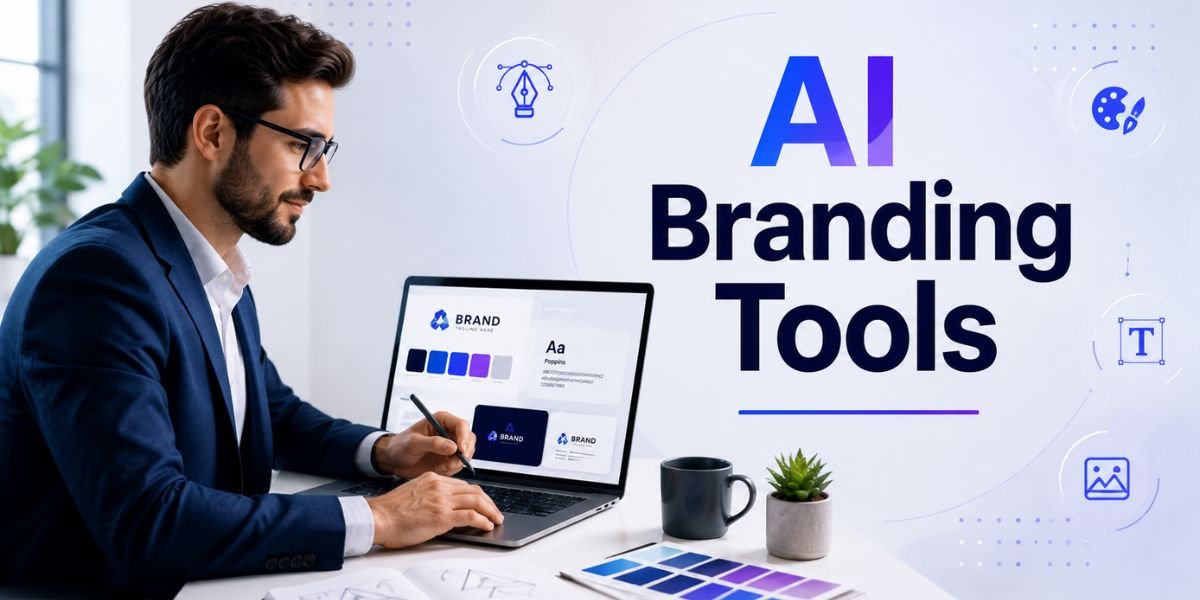
- Brand strategy
- User experience
- Creative direction
- Conversion optimization
- Design systems
- Accessibility
- Customer research
- Visual storytelling
Instead of replacing designers completely, AI is becoming another tool in the designer’s workflow.
A designer can use AI to generate several concepts and then use professional judgment to select and refine the best direction.
AI Can Generate Website Layouts
AI-powered website builders can generate layouts based on a business description.
For example, an AI system may recognize that a restaurant website needs:
- Menu
- Location
- Opening hours
- Reservations
- Food images
- Customer reviews
- Contact information
A software company may need:
- Product overview
- Features
- Pricing
- Integrations
- Testimonials
- Documentation
- Sign-up CTA
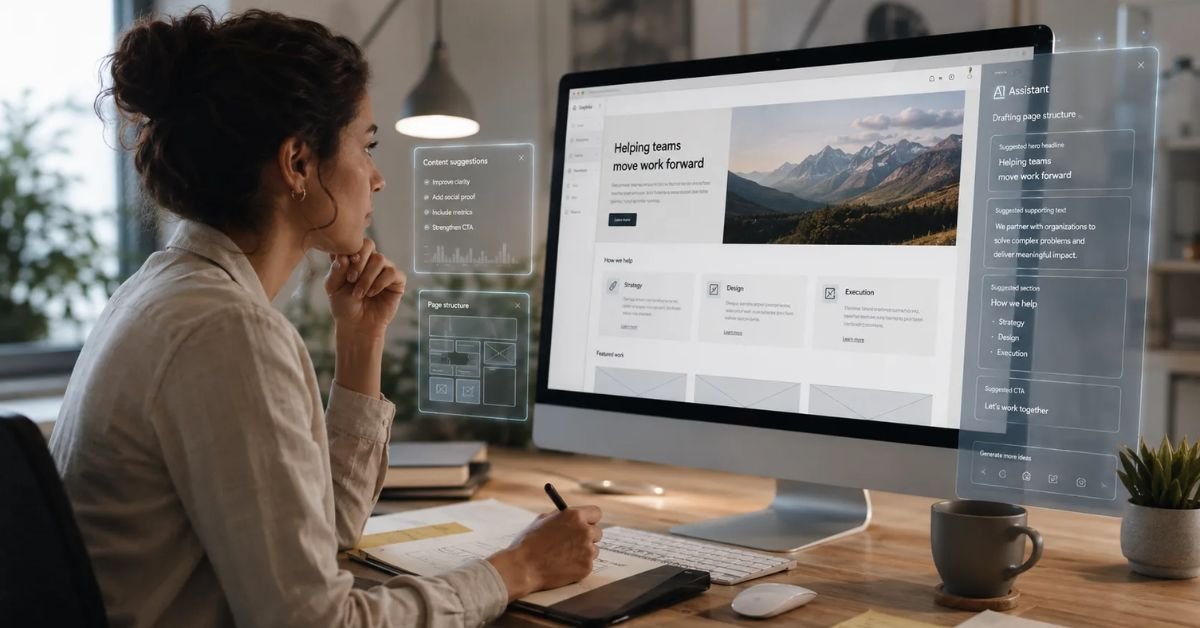
AI can use these requirements to suggest an appropriate page structure.
This is one of the clearest examples of how AI is changing website design in 2026.
Instead of starting with a blank screen, users can start with an AI-generated foundation.
AI Is Improving Website Personalization

Personalization is another important development.
Traditional websites often show the same content to every visitor.
AI can help create more personalized experiences based on available user information and behavior.
For example, an e-commerce website may recommend products based on browsing activity.
A SaaS website could show different onboarding information depending on the visitor’s needs.
A content website could recommend related articles based on reading behavior.
Personalization can make websites more relevant, but businesses need to consider privacy, consent, security, and appropriate data usage.
AI should be used to improve the customer experience without creating unnecessary or intrusive tracking.
AI Is Improving User Experience
User experience is one of the most important areas where AI is having an impact.
AI can analyze website structures and identify potential problems.
It can help identify:
- Confusing navigation
- Weak calls to action
- Long forms
- Poor content hierarchy
- Difficult checkout processes
- Unclear buttons
- Excessive page elements
- Mobile usability issues
AI can also simulate different user perspectives.
For example, you can ask an AI system to review a landing page as if it were a first-time visitor and identify areas that may cause confusion.
This can provide useful ideas for improving the overall experience.
AI Is Transforming Website Content
Website design is not only about visual appearance.
Content is a major part of the user experience.
AI can help generate and improve:
- Headlines
- Product descriptions
- Service pages
- FAQs
- Blog outlines
- CTAs
- Meta descriptions
- Image descriptions
- Landing page content
This makes it easier to create complete website pages.
However, businesses should not simply publish everything generated by AI without reviewing it.
Human editing remains important for accuracy, brand voice, originality, and usefulness.
AI-generated content should support the website strategy rather than become the strategy itself.
AI Is Creating More Visual Content
Visual content is another area where AI is changing website design in 2026.
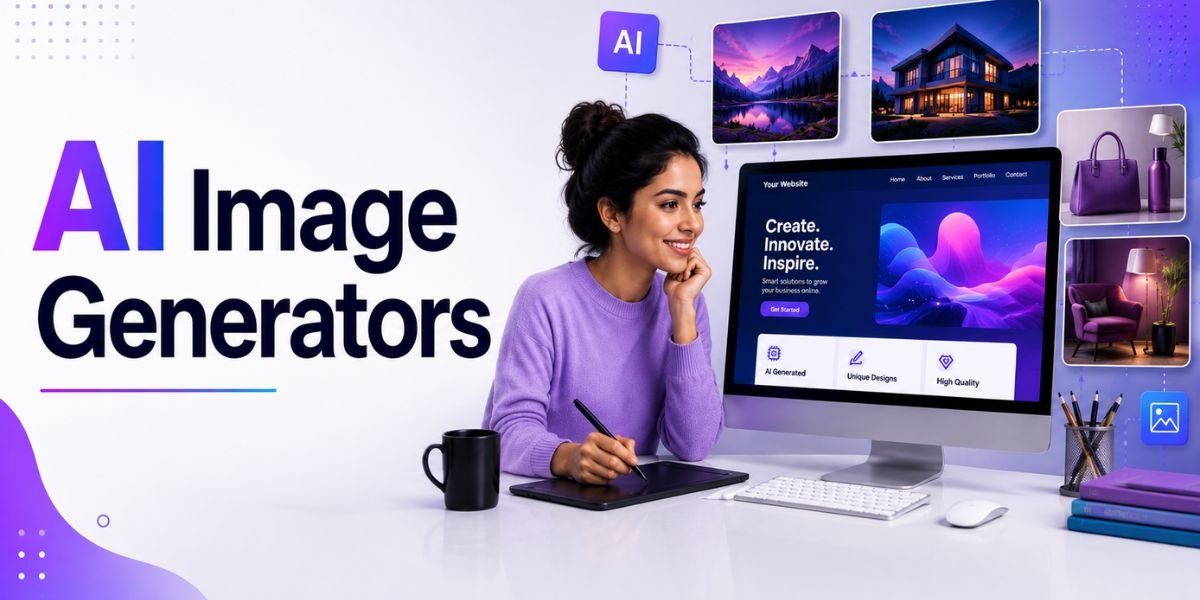
AI image-generation tools can create:
- Hero images
- Illustrations
- Product concepts
- Background graphics
- Icons
- Social media visuals
- Marketing images
This can help small businesses create professional-looking visual assets without requiring a large design team.
AI can also help modify existing images by changing backgrounds, removing unwanted elements, improving quality, or creating different versions.
The key is consistency.
Images should match the brand identity and communicate something useful to visitors.
AI Is Helping With Responsive Design
A modern website must work across different screen sizes.
AI can help designers and developers create responsive layouts for:
- Desktop
- Laptop
- Tablet
- Smartphone
AI tools can suggest how sections should change on smaller screens.
For example, a three-column desktop layout may become a single-column mobile layout.
Navigation menus may become mobile menus.
Large images may be resized or repositioned.
Buttons may need larger touch areas.
AI can speed up this process, but real-device testing remains important.
AI Is Improving Website Accessibility

Accessibility is becoming an increasingly important part of website design.
AI can help identify potential accessibility problems such as:
- Low color contrast
- Missing image descriptions
- Poor heading structure
- Difficult navigation
- Unclear links
- Small text
- Poor form labels
AI can suggest improvements that make websites easier to use for people with different abilities.
However, automated analysis should not be the only accessibility check.
Real-world testing and established accessibility standards remain important.
AI Is Changing SEO-Friendly Website Design
SEO and website design are closely connected.
Search engines need to understand website content, structure, and relationships between pages.
AI can assist with:
- Keyword research
- Topic clustering
- Page structures
- Meta titles
- Meta descriptions
- Internal linking
- Schema ideas
- Content optimization
- Search intent analysis
AI can also help identify pages that may be missing from a website’s content structure.
However, SEO should not become a process of inserting keywords everywhere.
Modern websites should prioritize useful content, clear structure, good user experience, fast performance, and strong topical relevance.
AI Is Helping Improve Website Speed
Website performance has a direct effect on user experience.
AI tools can help identify potential performance problems involving:
- Large images
- Unused scripts
- Excessive third-party tools
- Poor caching
- Heavy page elements
- Unoptimized resources
AI can suggest optimization strategies, such as compressing images or reducing unnecessary resources.
Developers can then verify these recommendations and implement appropriate changes.
The goal is to create a website that looks good while remaining fast and responsive.
AI Is Changing E-Commerce Website Design
E-commerce websites are also benefiting from AI.
AI can help online stores improve:
- Product recommendations
- Product descriptions
- Search
- Product categorization
- Personalized content
- Customer support
- Product comparisons
- Landing pages
For example, an AI-powered recommendation system can suggest products based on a customer’s interests.
AI can also help store owners create product page content faster.
However, accurate product information remains essential. Businesses should review AI-generated descriptions to make sure product specifications and claims are correct.
AI Is Improving Conversion Optimization
A website should have a purpose.
For many businesses, that purpose is generating leads, sales, registrations, or other actions.
AI can help identify potential conversion problems.
For example, AI might suggest:
- Moving a CTA higher on the page
- Simplifying a form
- Improving headline clarity
- Adding customer reviews
- Making pricing easier to understand
- Reducing unnecessary distractions
AI can also help generate different versions of headlines, buttons, and layouts.
The best approach is to test meaningful changes rather than assuming an AI recommendation will automatically increase conversions.
AI Is Helping Developers Write Code
AI is also changing the technical side of website design.
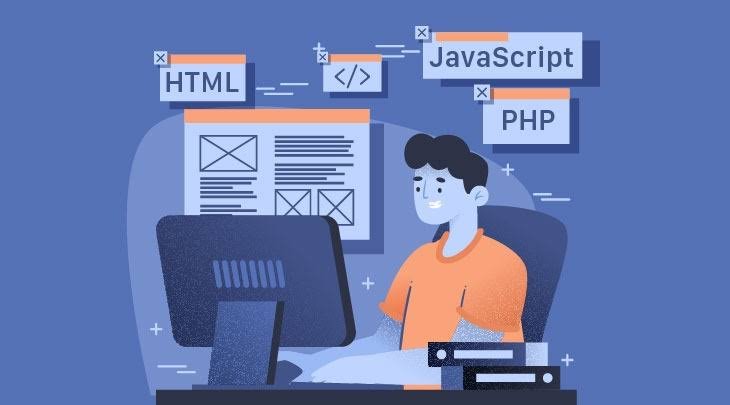
Developers can use AI-assisted coding tools to generate:
- HTML
- CSS
- JavaScript
- React components
- Database queries
- API integrations
- Automation scripts
AI can help explain existing code, identify bugs, and suggest improvements.
This can speed up development significantly.
However, developers still need to understand the code being generated.
AI-generated code can contain errors, security problems, performance issues, or incorrect assumptions.
Professional review remains essential for important websites and applications.
AI Is Reducing the Barrier for Beginners
Perhaps the biggest change is accessibility.
Someone without programming experience can now create a basic website using AI-powered tools.
A user can describe the website they want and receive a starting design.
This is particularly useful for:
- Freelancers
- Bloggers
- Small businesses
- Entrepreneurs
- Content creators
- Local businesses
- Affiliate marketers
- Startups
AI makes website creation more approachable.
However, creating a website is easier than creating a successful website.
Users still need to understand their audience, content strategy, SEO, branding, and business objectives.
AI Is Making Website Testing More Efficient

Testing is another area where AI can help.
AI can analyze pages and suggest potential improvements in:
- Layout
- Navigation
- Content
- Accessibility
- Performance
- Conversion elements
AI can also help generate testing ideas.
For example, if a landing page has a low conversion rate, AI can suggest possible hypotheses to test.
You might test:
- Headline variations
- CTA wording
- Form length
- Pricing presentation
- Social proof placement
The results should be measured using real visitor data.
AI Is Changing the Relationship Between Designers and Developers
AI is also reducing the separation between design and development.
Designers can use AI tools to generate functional prototypes.
Developers can use AI to understand design concepts and generate components.
This can improve collaboration.
Instead of spending significant time translating a design into code manually, teams can use AI-assisted workflows to move from concept to implementation more efficiently.
The result can be faster project development and more opportunities for experimentation.
The Importance of Human Creativity
Despite all these developments, human creativity remains important.
AI can generate thousands of ideas, but quantity is not the same as quality.
A successful website still needs:
- A clear brand
- A strong message
- Original ideas
- Customer understanding
- Good storytelling
- Strategic thinking
- Authentic content
AI can provide suggestions, but humans decide what is appropriate for the brand and audience.
The strongest approach is usually human creativity supported by AI.
Is AI Replacing Web Designers?
One of the biggest questions surrounding how AI is changing website design in 2026 is whether AI will replace designers and developers.
For basic websites, AI can already automate many tasks that previously required professional assistance.
However, complex projects still require human expertise.
Businesses may need professionals for:
- Complex functionality
- Advanced UX
- Custom applications
- Security
- Technical architecture
- Brand strategy
- Advanced performance optimization
- Complex integrations
AI is more likely to change the role of professionals than eliminate it entirely.
Designers and developers who understand how to work effectively with AI can use it to become more productive.
Challenges of Using AI for Website Design
AI website design has many advantages, but it also has limitations.
Generic Designs
AI-generated websites can sometimes look similar to other websites.
Human customization is necessary to create a distinctive brand identity.
Incorrect Information
AI can generate inaccurate information.
Always review important claims, product details, statistics, and business information.
Limited Creativity
AI can combine existing design patterns effectively, but truly unique creative direction still benefits from human input.
Security Risks
AI-generated code should be reviewed carefully, particularly when it involves authentication, payments, databases, or sensitive information.
Over-Automation
Not every design decision should be automated.
Human judgment is still necessary to understand customers and business priorities.
How Businesses Can Use AI Effectively
Businesses should approach AI as a design assistant.
Start by defining the website’s goals.
Then use AI to:
- Generate initial ideas.
- Create layout concepts.
- Develop content structures.
- Improve visual assets.
- Analyze user experience.
- Identify SEO opportunities.
- Review accessibility.
- Improve page performance.
- Generate testing ideas.
- Analyze results and continue improving.
This workflow combines automation with human decision-making.
The Future of Website Design With AI
The future of website design will likely become increasingly automated and personalized.
AI may help websites adapt their layouts, content, and recommendations based on different users and contexts.
Website creation may also become more conversational.
Instead of opening a traditional design editor, users may simply describe what they want and make changes through natural language.
For example:
“Make the hero section more professional.”
“Move the pricing table higher.”
“Make the mobile navigation simpler.”
“Change the CTA to focus on free consultations.”
AI can potentially make these changes automatically.
This could make website management much easier for non-technical users.
Must Read:
- Best AI Website Builders for Bloggers in 2026
- How to Use AI to Improve Your Website Design?
- AI Website Builder vs Web Developer: Which Is Better?
Final Thoughts:
Understanding how AI is changing website design in 2026 is important for anyone building or managing a modern website.
AI is making website creation faster, improving design workflows, generating content and images, supporting SEO, helping with accessibility, improving personalization, assisting developers, and making website optimization more accessible.
But AI is not a substitute for strategy.
The best websites will continue to combine technology with human creativity and business understanding. AI can generate ideas and automate repetitive tasks, while designers, developers, marketers, and business owners provide direction and judgment.
If you are building a new website in 2026, consider AI as part of your workflow from the beginning. Use it to explore ideas, create prototypes, improve content, analyze problems, and speed up development.
The goal should not simply be to build a website faster. The goal is to build a website that is useful, attractive, accessible, fast, SEO-friendly, easy to use, and capable of delivering real value to visitors.
That is the real impact of AI on website design in 2026. It is making the process faster and more accessible while giving professionals new tools to create better digital experiences.